
Portland Property Tax Records
Portland property tax records are managed by Multnomah County Assessment, Recording and Taxation. As Oregon's largest city, Portland has hundreds of thousands of taxable parcels. The county handles all assessments, tax billing, and collections for properties within city limits. Residents can search Portland property tax records online through the county portal. This guide covers how to find records, understand your tax bill, and file appeals for Portland properties.
Who Manages Portland Property Tax Records
The City of Portland does not keep its own property tax records. Multnomah County handles this work for all cities within its borders. The county assessor values each parcel. The county tax collector sends bills and processes payments. Portland receives a share of the taxes collected, but the county runs the entire system.
This setup follows Oregon law. Under ORS Chapter 306, county assessors hold the duty to appraise and assess all taxable property. Cities do not have their own assessors. Portland property owners deal with Multnomah County for all tax record matters, from looking up values to paying bills to filing appeals.
The Multnomah County Assessment, Recording and Taxation office is in downtown Portland. Office hours run from 8:30 am to 4:30 pm on weekdays. Staff can help with questions about Portland property tax records in person, by phone, or by mail.
Note: Portland's Revenue Division handles city business taxes, but property taxes go through the county only.
Search Portland Property Tax Records Online
Multnomah County runs a free online portal for property tax records. The site is multcoproptax.com. Portland residents use this tool to look up any property in the county. You can search by address, owner name, property ID, map tax lot, or legal description. Results show up right away.
The portal shows current and past tax statements for Portland properties. You can view assessed values, real market values, and maximum assessed values. It also lists property details like lot size, building type, year built, and zoning. Sales history shows past transfers with dates and prices. Tax statements break down how much goes to each taxing district, including the City of Portland, schools, and special districts.
The City of Portland website links to the county portal for property tax lookups. The county system includes a tax calculator tool that helps estimate taxes based on assessed value and local tax rates.
The following resource from the Oregon Department of Revenue provides statewide property tax guidance that applies to Portland parcels.
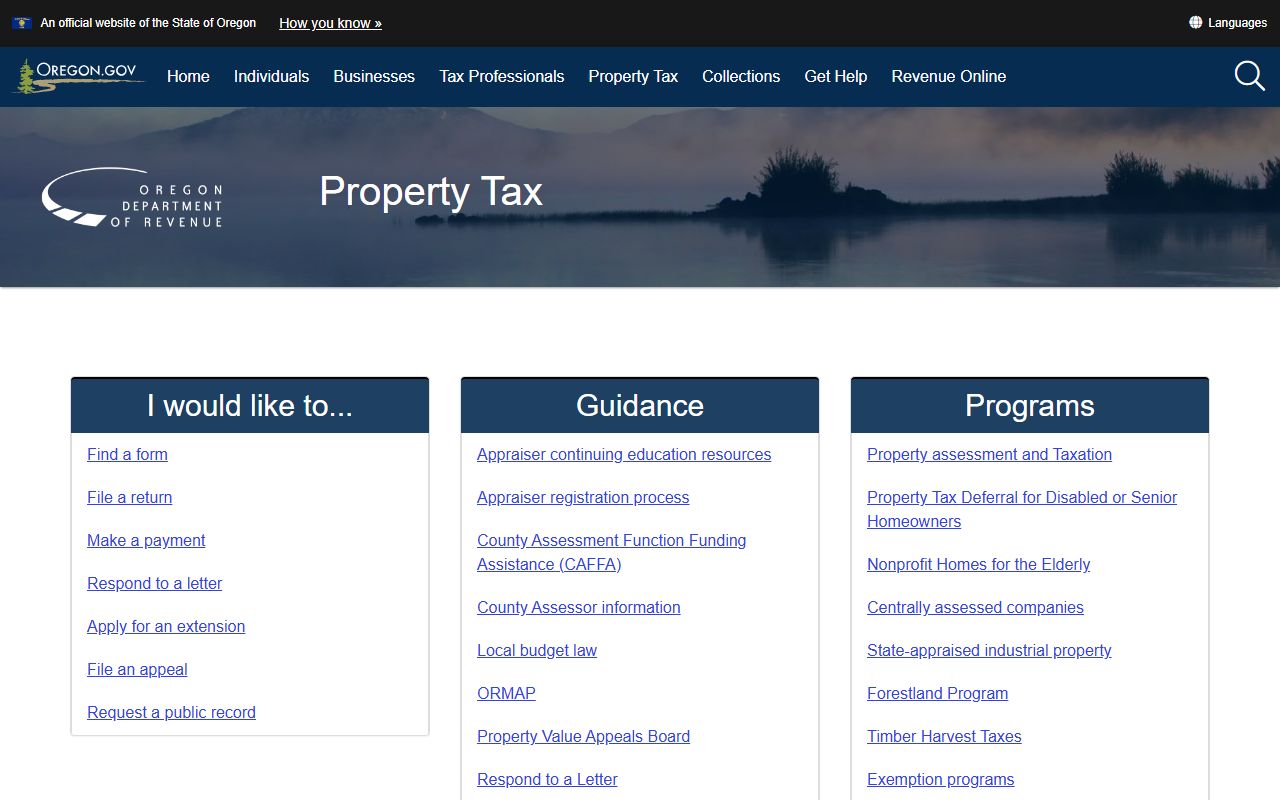
This state resource helps Portland property owners understand how Oregon's tax system works at the local level.
Portland Property Tax Assessments
Every Portland property has three key values on its tax record. Real Market Value (RMV) reflects what the property would sell for on the open market as of January 1 each year. Maximum Assessed Value (MAV) is a cap set by Measure 50, which Oregon voters approved in 1997. Under ORS 308.156, MAV can only rise 3% per year unless there are new improvements or changes to the property.
Assessed Value (AV) is the lower of RMV or MAV. This is the number used to calculate your tax bill. In Portland, most properties have an MAV well below their RMV because home prices have risen faster than 3% per year for decades. That gap means many Portland homeowners pay taxes on a value much lower than what their home could sell for today.
Measure 5, passed in 1990, added rate limits on top of the value caps. Schools cannot levy more than $5 per $1,000 of RMV. General government is capped at $10 per $1,000. When levies exceed these limits, compression reduces the amounts collected. Portland properties in high-tax areas may see compression on their statements.
How to Access Portland Tax Statements
Tax statements for Portland properties go out in late October each year. Multnomah County mails them to the owner of record. You can also view your statement online at multcoproptax.com before the paper copy arrives.
Each statement shows the total tax due, the breakdown by district, and payment options. Portland property owners can pay in full by November 15 for a discount. A two-payment plan splits the bill between November and February. A three-payment plan adds a May due date. Late payments carry interest charges.
Payments go to Multnomah County, not the City of Portland. You can pay online, by phone, by mail, or in person at the county office. The county accepts credit cards, debit cards, checks, and electronic transfers.
Note: The county keeps recorded property indices from 1965 to the present in electronic format, so older Portland records may require an in-person search.
Portland Property Tax Appeals
Portland property owners who disagree with their assessment can appeal through the Multnomah County Property Valuation Appeals Board (PVAB). The appeal window opens when tax statements arrive in late October. All appeals must be filed by December 31.
Before filing a formal appeal, the county encourages Portland residents to contact the assessor's office to discuss concerns. Many issues get resolved through this informal review. Staff can explain how your Portland property was valued and correct any errors in the record.
For formal appeals, you file with the county clerk. You must state which value you want changed and provide evidence of the correct value. Good evidence includes recent sales of similar Portland properties, an independent appraisal, or documentation of property conditions that reduce value. The PVAB holds hearings between February and April. Citizen volunteers who serve on the board make the decisions.
If the PVAB ruling does not satisfy you, the next step is the Oregon Tax Court. You have 30 days to file after the PVAB decision. The Magistrate Division filing fee is $281. The Tax Court requires evidence of market value as of January 1 of the assessment year under review.
Property Tax Exemptions in Portland
Several exemption programs can reduce the property tax burden for eligible Portland homeowners. These programs are administered by Multnomah County under state law.
Senior citizens and people with disabilities may qualify for a tax deferral that postpones payment until the home is sold. Disabled veterans can receive a full or partial exemption on their primary residence. Active military members deployed overseas may also qualify for relief. Under ORS 307.030, all real property is subject to taxation unless a specific exemption applies.
Historic properties in Portland may qualify for special assessment if they meet preservation standards. Enterprise zones offer tax breaks for qualifying business investments. Each program has its own deadlines and eligibility rules. Contact the Multnomah County assessor's office for application forms and current requirements.
The Oregon Department of Revenue maintains the statewide framework for all exemption programs, as shown in the resource below from the Oregon State Archives.
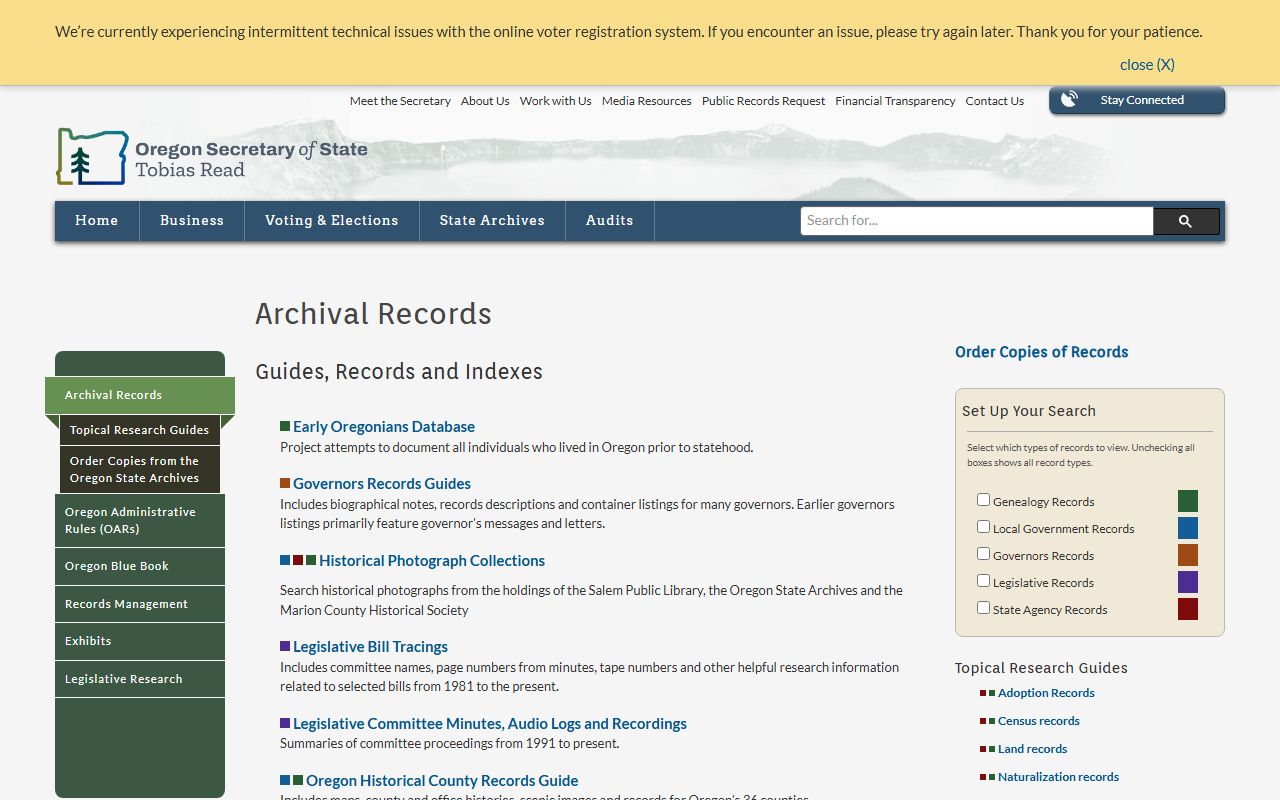
Historical property tax records for Portland dating back to the territorial period are preserved through the State Archives.
Recording and Deed Records for Portland
Multnomah County also handles deed recording for Portland properties. When a home sells, the new deed gets recorded with the county. These recorded documents create the chain of title that shows ownership history. The county maintains electronic indices of recorded documents from 1965 forward.
Recording fees follow state law and county rules. Documents must meet format and notarization standards. E-recording is available through approved vendors for title companies and attorneys. Public access terminals at the county office let anyone search recorded documents for Portland properties.
Note: Documents recorded before 1965 may be available on microfilm at the county office or through the Oregon State Archives.
Understanding Your Portland Tax Bill
A Portland property tax bill includes levies from many taxing districts. Schools take the largest share in most cases. The City of Portland collects funds for police, fire, parks, and transportation. Multnomah County funds its own services. Special districts like Metro, Port of Portland, and urban renewal areas add smaller amounts.
The Oregon Department of Revenue oversees the entire system and publishes annual statistics on property taxes statewide. The department also provides guidance on how Measure 5 and Measure 50 affect individual tax bills. Portland property owners can find detailed explanations on the Oregon DOR property tax page.
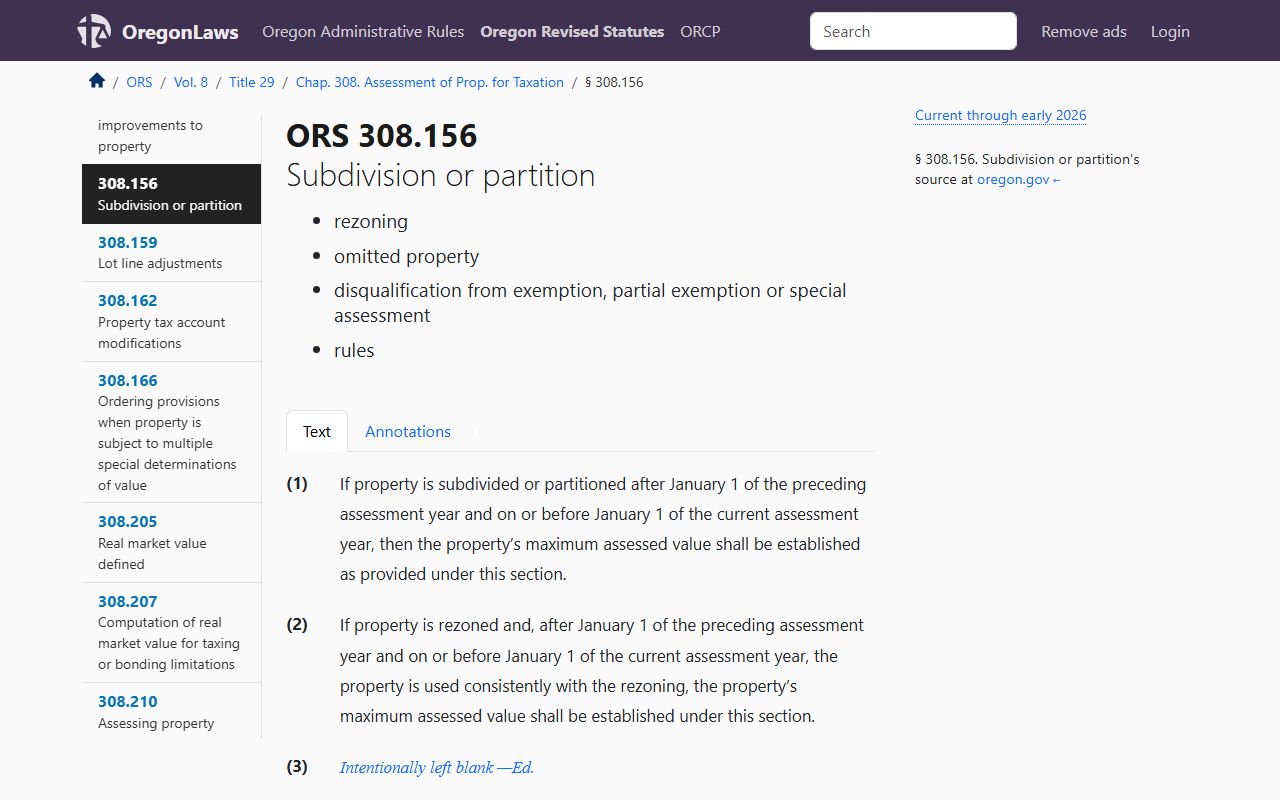
This resource explains how ORS 308.156 governs the Maximum Assessed Value calculation that applies to all Portland properties.
Multnomah County Property Tax Records
Portland sits within Multnomah County, and the county manages all property tax records for the city. For full details on county services, office locations, payment methods, and appeal procedures, visit the Multnomah County property tax records page.